
What is Pain?

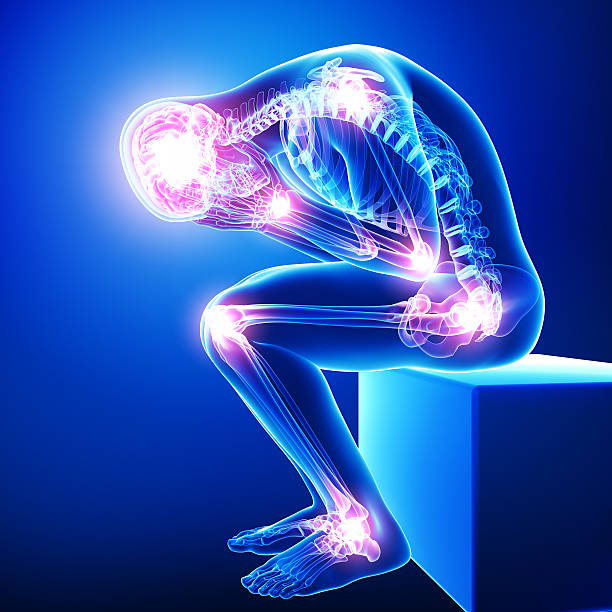
Pain Models
A brief summary of how pain is explained according to Traditional Chinese Medicine and Western Medicine models. By Richard Beattie
Pain is a universal experience that is natural and normal and is your body’s way of telling you something is wrong. It can be a sharp sting, a dull ache, or even a burning feeling. It can be physical, emotional, or psychological, ranging from mild discomfort to intense suffering. While acute pain is often a warning signal for injury or illness, chronic pain can persist long after the initial cause has healed, affecting daily life and well-being. While it’s unpleasant, pain helps us stay safe and heal by making us pay attention to injuries or problems in our bodies. Understanding pain helps in managing it effectively, whether through medical treatment, therapy, or lifestyle adjustments.
Western Medicine
According to the western model when the body detects actual or potential tissue damage a complex sensory and emotional reactions follows ie Pain.The types of pain are:
Nociceptive Pain. This occurs when inflammation or tissue damage occurs initiating the pain receptors. This type of pain can be further divided into somatic pain originating from skin, muscles and joints and vsceal pain arising from internal organs.
Neuropathic Pain: Occurs due to damage to either the peripheral or central nervous systems and leads to a tingling or burning pain.
When tissue damage occurs, nociceptors transmit electrical signals to the spinal cord, and from there, the signals are sent to the brain, where they are processed and interpreted as pain. Key structures involved in this process include:
- Nociceptors (pain receptors)
- Spinal Cord (where signals can be modulated)
- Thalamus (relay center in the brain)
- Somatosensory cortex (region of the brain that processes the sensory experience of pain)
- Limbic system (which processes the emotional response to pain)
The perception of pain is influenced by several factors, including emotional state, attention, and previous experiences with pain. These factors lead each individual to experience pain differently.
Inflammation also plays a significant role in pain perception, especially in cases of injuryor infection. When tissues are injured, immune cells release chemical signals like prostaglandins that increase sensitivity to pain.
Western medicine acknowledges that pain isn’t just a physical sensation but is also influenced by psychological and emotional factors. Chronic pain often has psychological components, such as anxiety, depression, or fear, which can make the pain more severe. In some cases of chronic pain, the central nervous system becomes more sensitive to pain signals, increasing the perception of pain. This is known as central sensitisation and even a mild or a light touch can cause significant pain.
Traditional Chinese Medicine(TCM)
TCM believes optimum health is achieved when Qi (vital energy) flows smoothly around the body.
Pain is caused by the interruption, blockage or imbalance in the circulation of blood and flow of Qi. This blockage occurs due to internal imbalances, emotions such as stress and physical injury and leads to pain or discomfort affecting the muscles, joints, or organs.In TCM terms pain can be attributed to several causes, these include: Emotions: anger, stress, grief and anxiety can create imbalances in the body that eventually manifest physically. Blood stasis – where blood circulation is compromised due to cold, achronic condition or an injury. Stagnant blood can cause sharp, stabbing pain, often described as a fixed or localised ache, such as in the joints or abdomen. This kind of pain is generally more severe and persistent.
Wind, Cold or Dampness Invasion.
These are external elements that enter the body interrupting qi and blood flow causing pain. These conditions are particularly associated with musculoskeletal pain:
- Wind is associated with sudden or moving pain, often affecting the joints (like in arthritis).
- Cold tends to create sharp, intense pain, usually felt in the muscles or joints, often worse in cold weather.
- Dampness can lead to a feeling of heaviness and soreness, commonly affecting the lower back, knees, or limbs.
Yin and Yang
An imbalance between Yin (cooling, nourishing, and restorative energy) and Yang (warming, energising) can also lead to pain. Yang deficiency might result in cold-related pain (especially in the lower back or joints), whereas Yin deficiency might lead to dryness and pain due to a lack of nourishment in the tissues.
In simple terms, Traditional Chinese Medicine and Western medicine view pain differently. Western medicine sees pain as a physical problem, often caused by injury, inflammation, or nerve issues, and treats it with medications, surgery, or therapy. Whereas TCM believes pain happens when energy (Qi) and blood don’t flow properly in the body, often due to an imbalance, and treats it with acupuncture, herbs, and lifestyle changes. While they take different approaches, both systems aim to relieve pain and improve well-being. Many people today combine both for the best results.
Transform Your Wellbeing Today
Experience the healing power of acupuncture. Book your appointment or consultation with us now.
.jpg)
Explore our latest insights.
Discover tips for holistic health and well-being.
.jpg)